I had this question come up recently with a prospective client, and I'll restate what I told him. Broadly, there are three sticking points that will turn a reader away from your book, and they address them in chronological order, like a checklist.
First: your book just isn't what they're looking for. There's nothing you can do about this reader, assuming your cover and product description are strong. Either your story aligns with what they want and you gain a reader, or it doesn't and they move on. That's fine.
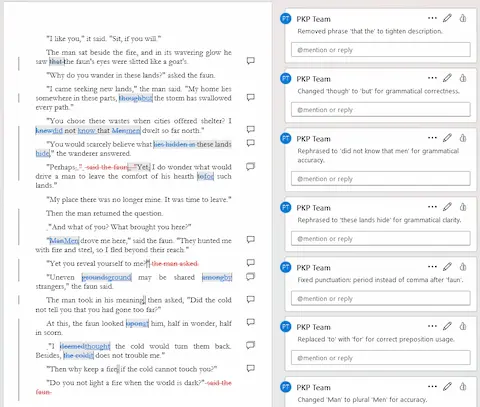
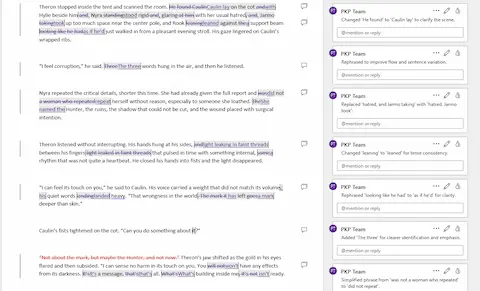
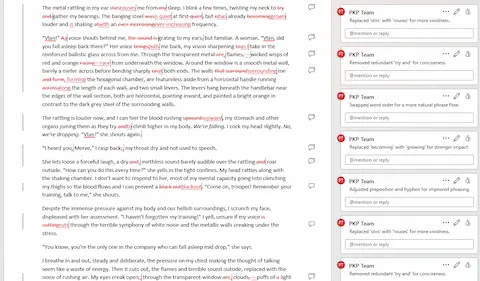
Second: the book is poorly written. Humans have evolved over millennia to detect patterns, and most readers can tell within five pages whether a book is well written. A tolerant reader might push through, but a manuscript riddled with errors will turn away even the most patient. Writing quality is the first filter readers apply — especially if you're a new or unproven author.
Here's a simple way to think about it: a poorly written book might cause 60% of readers to put it down within the first few pages. Of the 40% who continue, they'll only keep going if the story is also good. The numbers are flexible, but the principle holds. A well-known author with strong social-media traction might only see a 20–30% drop-off because readers trust the story is worth pushing through for. An unproven author with only a handful of Amazon reviews might see drop-offs of 80–90% the moment the reader loses confidence in the writing.
It's also worth noting: a poorly written book rarely generates bad reviews, because most readers who don't finish won't bother leaving one. But if your story is genuinely engaging and your writing is rough, expect a string of 2–3 star reviews from readers who cared enough to finish and were frustrated enough to say so.
Third: the story isn't engaging. This refers to the story elements themselves; often a plot that drags, characters that feel flat or unlikable, a setting that has no relationship to the people in it. Readers usually can't make this judgement until they're a few chapters in, which is exactly why clearing the writing quality hurdle first matters so much.
And here's the counterintuitive part: even though an engaging story is the last thing readers consciously evaluate, it's ultimately what determines whether your book succeeds. A well-written story that fails to engage will still fail. But you'll never get readers far enough to find out if your writing doesn't hold them first.